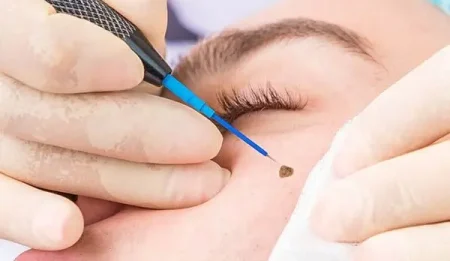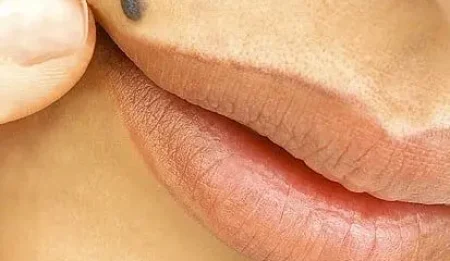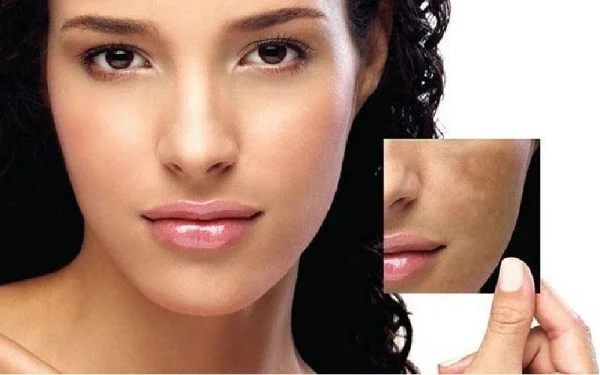
Melasma is a melasma skin condition that leads to patches of darker pigment on the skin. This condition usually develops gradually and often becomes more noticeable after sun exposure, heat, or hormonal changes.Although these changes can feel frustrating, melasma is a common and manageable skin pigmentation disorder that many people experience at different points in life. Moreover, understanding why it develops helps you feel more in control and more confident when choosing the right approach for your skin.

Understanding melasma skin condition
Melasma forms when pigment-producing cells (melanocytes) become overactive. As a result, some areas of the skin appear darker than the surrounding tissue. Additionally, although anyone can develop melasma, it is more common in women and in people with medium to darker skin tones.
Why the melasma skin condition appears
Several everyday triggers can activate excess pigment, including:
- Sun exposure
- Heat and UV sensitivity
- Hormonal changes
- Genetics
- Irritation or inflammation
Types of the melasma skin condition
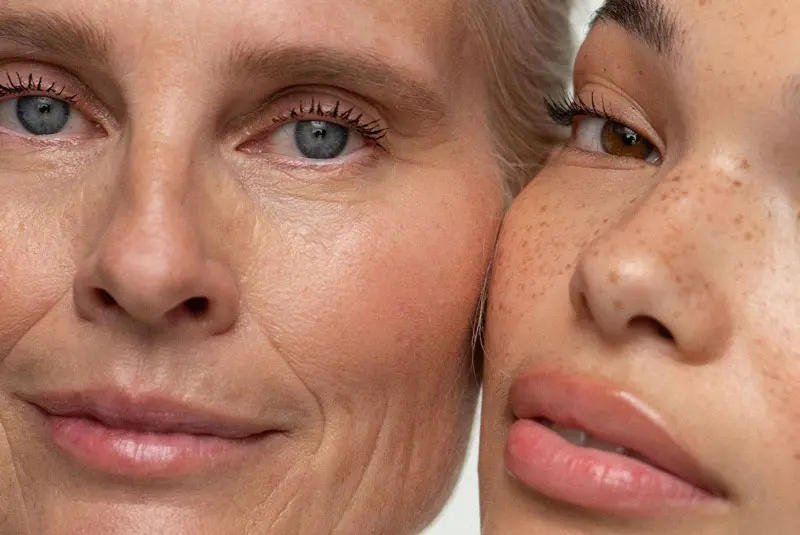
Melasma is usually classified into categories based on where the pigment sits:
Epidermal melasma skin condition
Pigment sits on the upper layers of the skin, making it easier to treat.
Dermal melasma skin condition
Pigment sits deeper in the skin. Because of its depth, it often needs combined treatments over time.
Mixed melasma skin condition
A combination of both. This is the most common form.
Knowing the type of melasma helps determine which treatment path may be most effective.
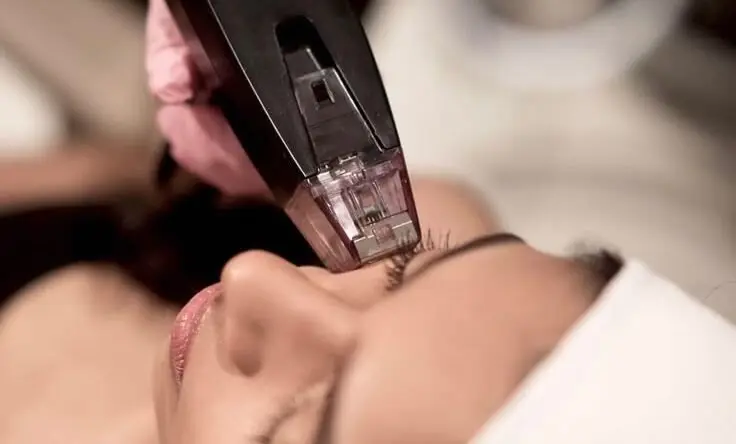
Common signs of melasma skin condition
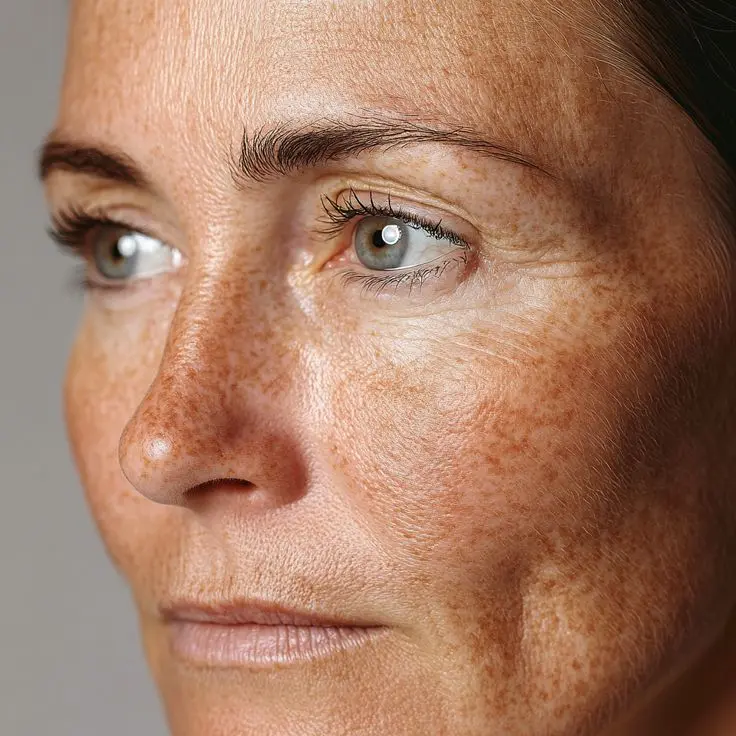
- Brown or grey-brown patches
- Symmetrical patterns on the cheeks, forehead, or upper lip
- Darkening after sunlight or heat
- Fluctuations during hormonal changes
Although these symptoms may feel bothersome, melasma itself is not harmful and does not pose a health risk. What matters is how it affects confidence, comfort, and daily routine.
What causes the melasma skin condition
Understanding the root cause helps reduce flare-ups.
Melasma can be triggered by:
- Sun exposure: UV light stimulates melanocytes.
- Hormones: Pregnancy, hormonal contraception, or stress can influence pigment production.
- Heat: Cooking, warm weather, and even hot showers can intensify patches.
- Genetics: A family history of pigment concerns increases risk.
- Skin irritation: Harsh skincare or previous inflammation may worsen pigmentation.
Although these triggers are common, the good news is that each one can be managed with simple, practical steps that reduce its overall impact.
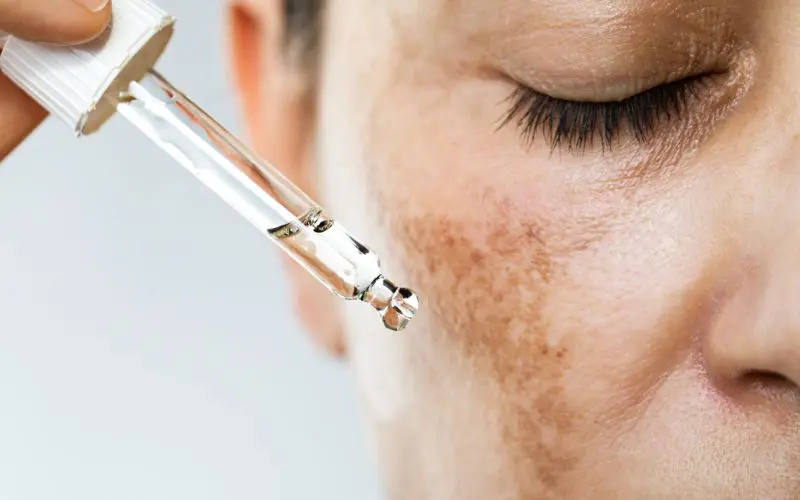
How to manage melasma naturally
Before exploring clinical treatments, gentle daily habits can help calm and stabilise melasma. In addition, these small steps create a stronger foundation for long-term improvement.
Consistent sun protection
Use broad-spectrum SPF, hats, and shade. Sun exposure is the strongest trigger.
Gentle skincare routine
Hydration, soothing ingredients, and mild exfoliation reduce irritation.
Avoiding heat exposure
Cooler showers and avoiding direct heat sources can reduce flare-ups.
Understanding hormone influences
Noticing when pigmentation becomes darker helps you track patterns and adapt sooner.
These steps create a strong foundation before beginning any treatment.
Professional treatments for melasma
When you decide to explore professional options, several evidence-based treatments can help fade melasma safely and gradually. Each treatment works differently, and the right choice depends on your skin type, depth of pigmentation, and overall sensitivity.
Chemical peels
Chemical Peels gently exfoliate the skin and support controlled renewal. They help lift superficial pigment and improve overall brightness.
Radiofrequency skin needling
Also, Radiofrequency Skin Needling supports collagen production and can improve texture and stubborn pigmentation when combined with other treatments.
Laser skin rejuvenation
Laser Skin Rejuvenation can target deeper layers of pigment. It encourages even skin tone and supports long-term improvement.
Pigmentation removal
Pigmentation Removal treatments focus directly on excess pigment and help lighten dark patches over time.
Because melasma can behave differently from person to person, treatment plans work best when personalised and combined thoughtfully.
Personalised melasma care at Medix
When you feel ready for professional guidance, Medix offers tailored support designed around your skin’s specific needs. Each treatment begins with a detailed skin assessment to understand the depth of pigmentation, your unique triggers, skin sensitivity, and long-term goals. As a result, your melasma care becomes more accurate, safer, and better aligned with what your skin truly requires.
At Medix, your melasma plan may include a combination of:
- Chemical Peels
- Radiofrequency Skin Needling
- Laser Skin Rejuvenation
- Pigmentation Removal
- Hydrating and soothing care
- Long-term pigment-management strategies
All treatments are performed using advanced, up-to-date techniques and are fully personalised to your skin, ensuring both safety and comfort. With the right plan, melasma often becomes more manageable, and your skin gradually looks clearer and more balanced.
Service reservation
Book a consultation today, and together we’ll create a personalised plan to safely manage melasma and support a brighter, more even skin tone.
Contact Medix Clinic
For more information, feel free to contact us at 03 9686 0003.
You can also visit our clinic at 1/367A Centre Road, Bentleigh, Victoria 3204.
Click here to view our location on Google Maps.
About Medix Skincare and Laser Clinic in Melbourne
Managing melasma is a journey, but you don’t have to navigate it alone. When you choose Medix, you receive evidence-based care, personalised guidance, and a treatment plan created specifically for your skin’s unique behaviour.
Book a consultation today, and let’s create a tailored melasma treatment plan that supports brighter, more even-toned, and more confident skin.
Frequently Asked Questions About Melasma
Fortunately, melasma is not harmful and does not damage the skin. It is mainly a cosmetic concern that affects skin tone rather than overall health.
Sometimes, melasma may lighten when hormonal or environmental triggers settle. However, professional treatments often support clearer and more even-toned skin more effectively.
As a result of ongoing research, several options—such as Chemical Peels, Radiofrequency Skin Needling, Laser Skin Rejuvenation, and Pigmentation Removal—can safely improve melasma when they are selected according to your skin type.
In most cases, melasma can return if triggers like sun exposure or heat continue. Even so, consistent sun protection and a personalised care plan help keep results stable over time.