
Learn about scars and stretch marks and how personalised treatment can help improve their appearance.
Personalised treatment options based on your skin and the type of scarring.
Scars are the skin’s natural response to injury, surgery, or acne, appearing as raised, flat, or sunken marks that may differ in colour and texture from surrounding skin.
Stretch marks appear when the skin stretches rapidly beyond its natural limit, often due to pregnancy, weight fluctuations, or growth, leaving visible streaks and textural changes.
Scarring occurs when the skin repairs itself after an injury or trauma. It can result from acne breakouts, surgical procedures, cuts, burns, or skin conditions that damage deeper layers of the skin. The body produces collagen to heal the wound, but the new tissue often looks and feels different from the surrounding skin. Factors like genetics, skin type, wound depth, and improper aftercare can influence the severity and appearance of scars.
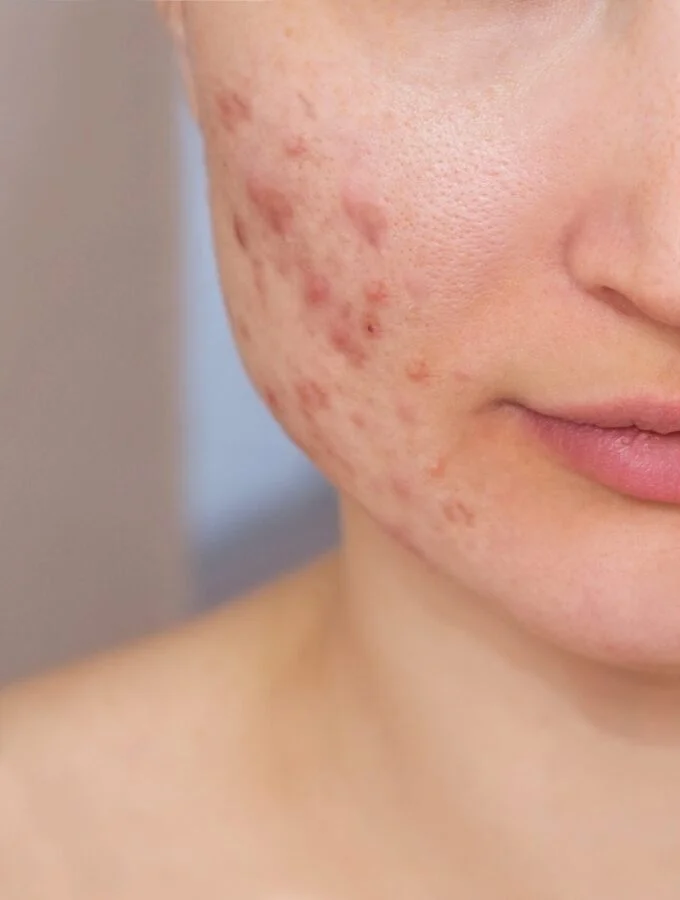
Scars can appear as flat, raised, or sunken areas and vary in colour from pink, red, brown, or white depending on skin type and healing stage. They may feel smooth, rough, or thickened and sometimes cause itching, tightness, or tenderness.
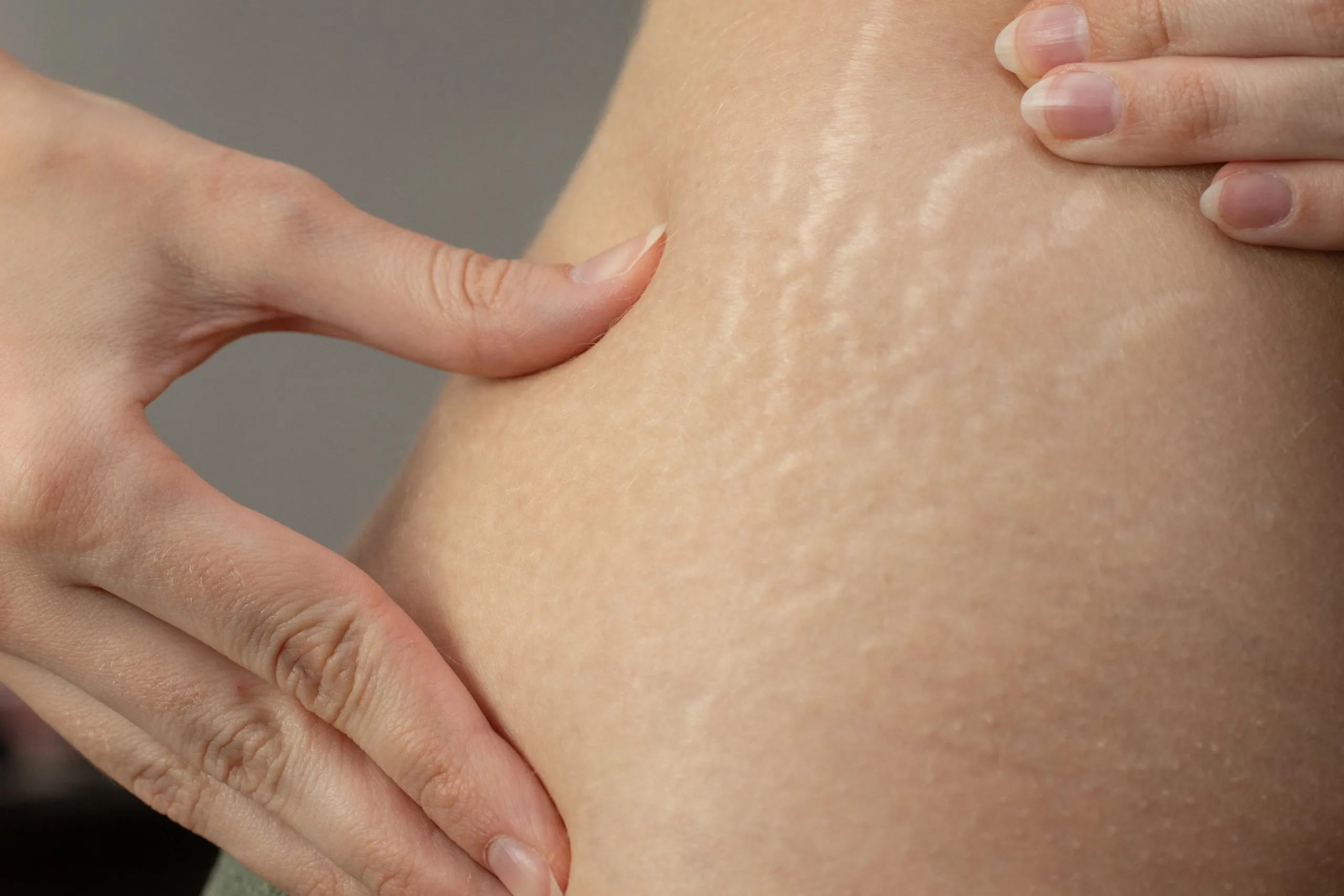
Stretch marks appear as streaks or lines on the skin, often red, purple, or white, and may feel slightly indented or textured. Both scars and stretch marks can change over time, but rarely disappear completely without treatment.
Treatment can be considered once the skin has healed and the area is suitable for treatment. For stretch marks, earlier assessment may be helpful while they are still relatively new and changing in colour or appearance. However, established stretch marks can also be treated to improve their appearance and skin texture but they may require more treatment sessions.
For scars, the ideal timing depends on the type of scar, how it has healed and how long it has been present. An assessment can help determine when treatment is appropriate and which approach may be suitable for your skin.

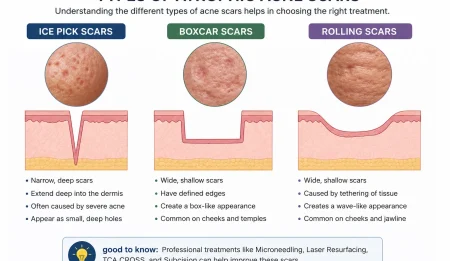
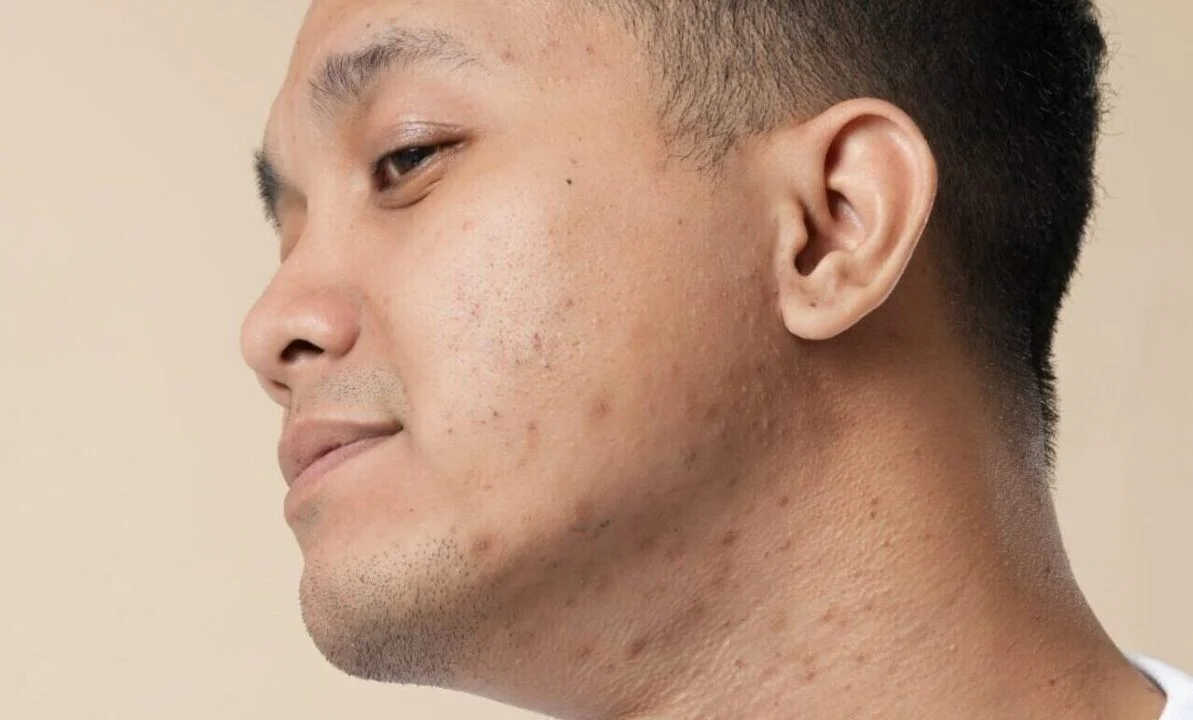
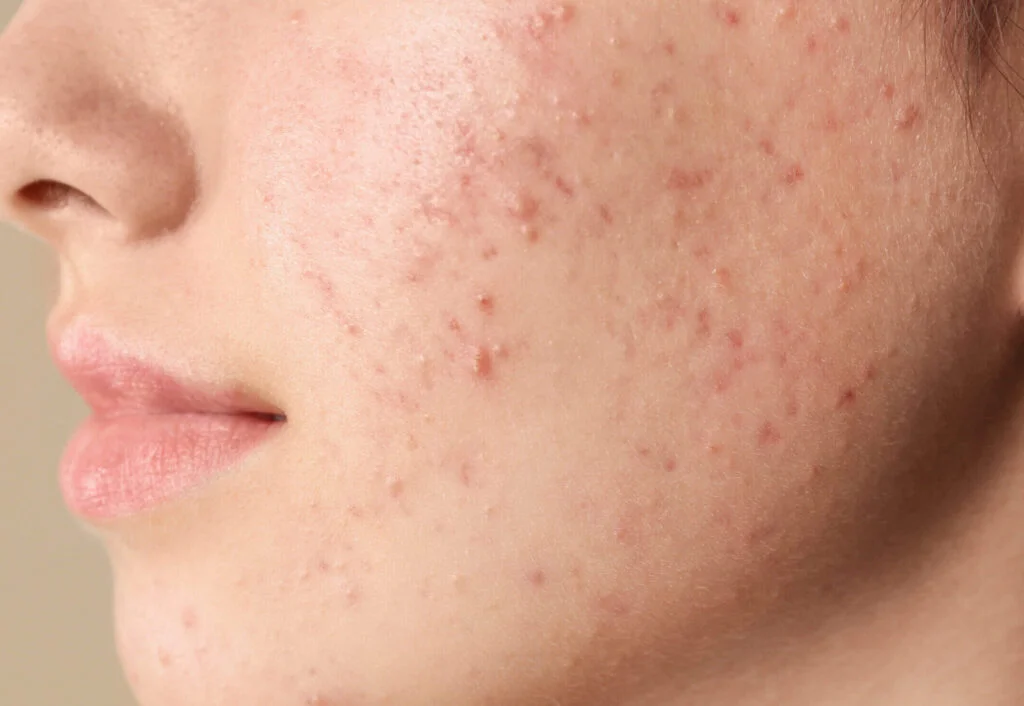
These are often pitted or raised, varying in size, and typically found on the face and back. They result from severe acne where the skin is unable to regenerate tissue, creating uneven textures.
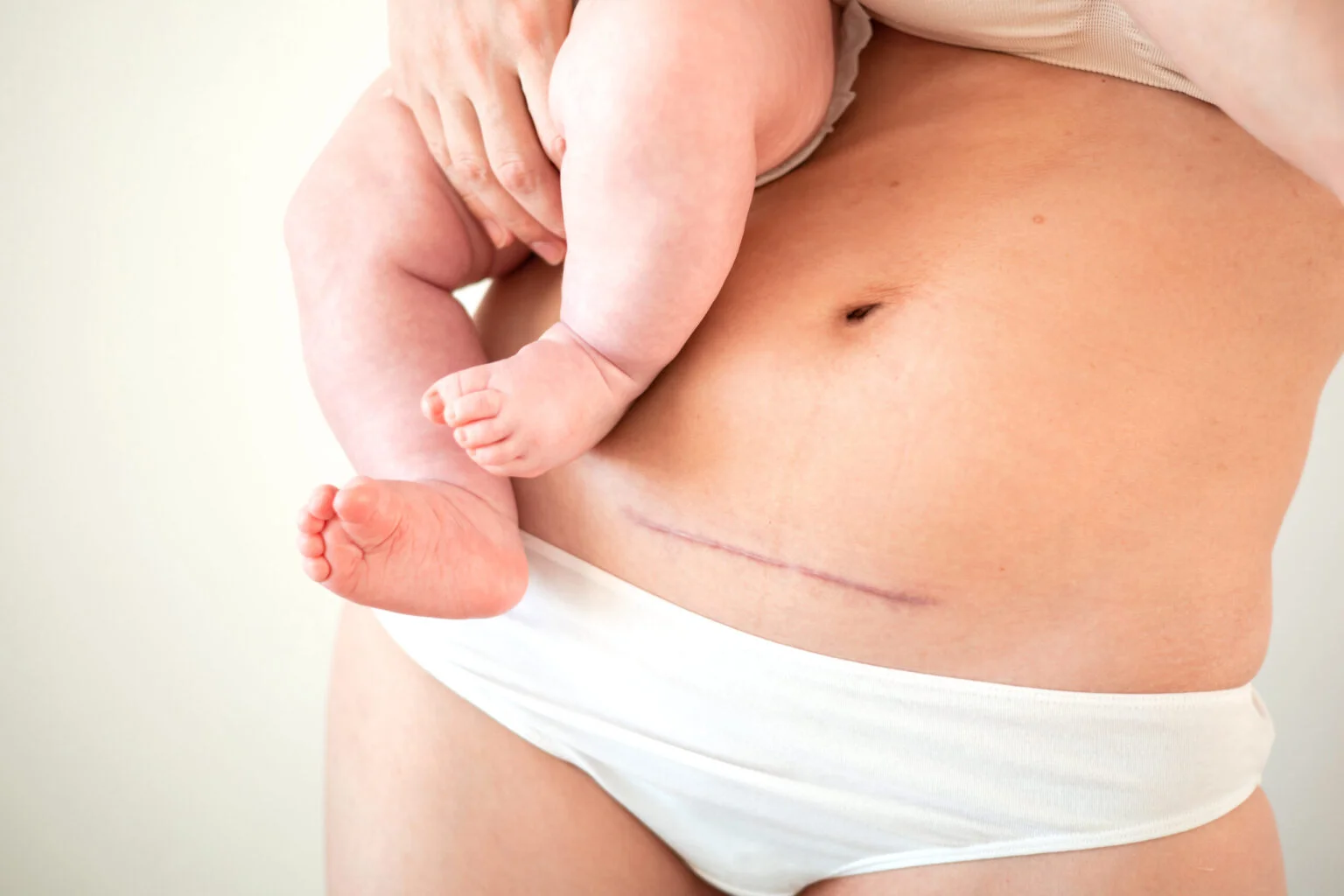
Surgical and injury scars form as the skin heals after surgery, cuts or injuries. They may appear flat, raised or indented. While they often fade over time, some may remain visible.
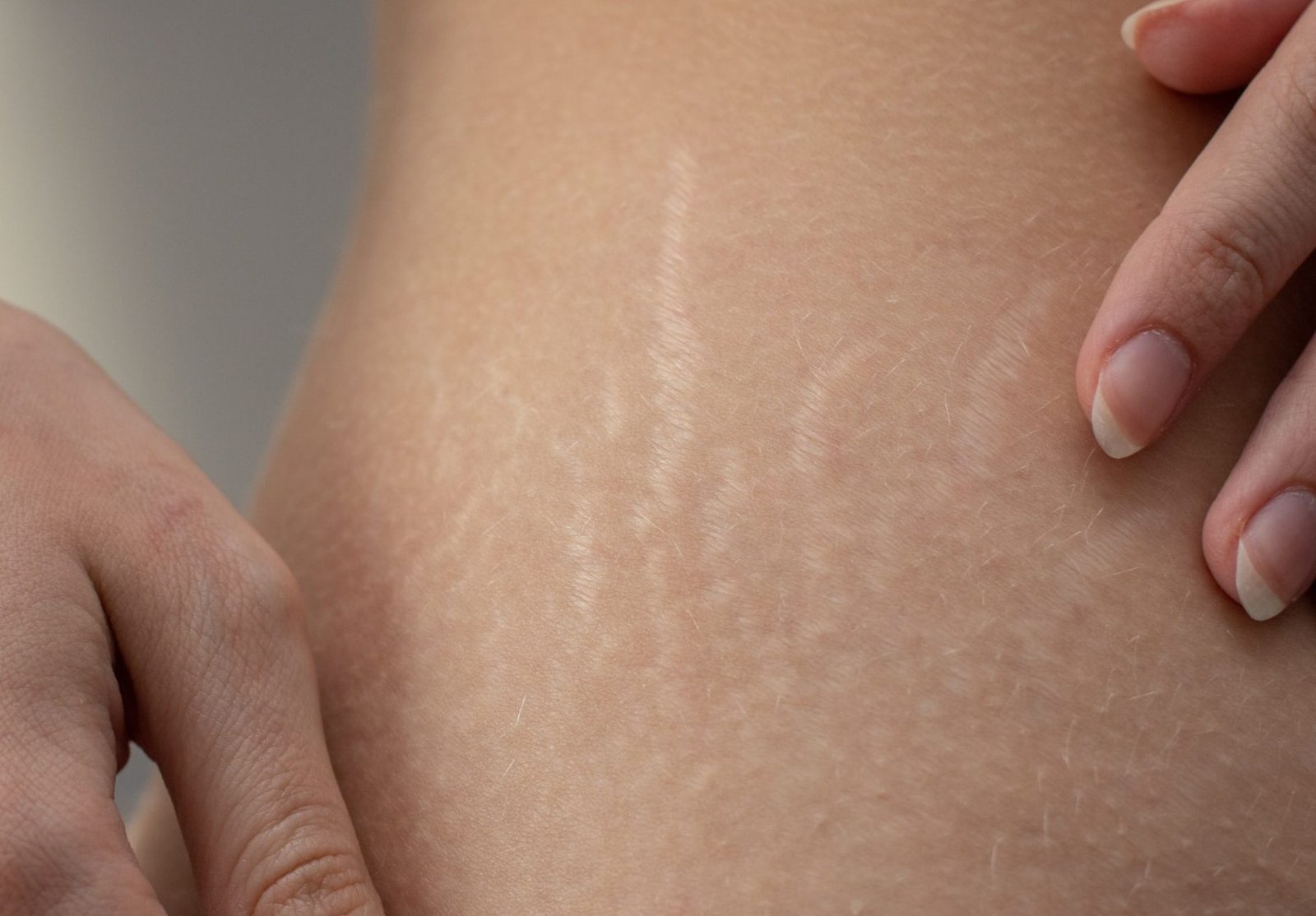
Considered a form of scarring, these occur when the skin is stretched rapidly due to factors like pregnancy, growth spurts, or rapid weight gain, resulting in long, narrow streaks on the skin.

At Medix Skincare & Laser Clinic in Bentleigh, Elly takes the time to assess your skin and understand the type of scarring or stretch marks you are concerned about before recommending treatment.
Whether a scar is discoloured, indented or raised, the treatment approach can vary. Skin needling or RF microneedling may be used to stimulate collagen and improve the appearance and texture of scars and stretch marks. In some cases, a chemical peel or laser treatment may also be combined with your treatment plan, depending on your skin and the type of scar being treated.
Every treatment plan is tailored to your skin, with realistic expectations about the improvement that may be achieved.
Ready to improve the appearance of your scars or stretch marks? Book a consultation with Elly.
Radiofrequency (RF) microneedling combines fine needles with RF energy, triggering the wound-healing response while stimulating collagen production and skin renewal. It breaks down scar tissue, smooths uneven texture, and enhances skin elasticity, helping to fade acne scars and reveal a smoother, more even complexion.
Skin needling uses fine needles to create controlled micro-injuries that stimulate collagen production. RF microneedling combines microneedling with radiofrequency energy to provide additional heat within the skin for a tightening effect.
The right option depends on your skin, the type of scarring and your treatment goals.
Chemical peels help reduce scarring, mainly post-inflammatory hyperpigmentation, by stimulating cell turnover and promoting the growth of new, healthy skin cells.
The number of treatments and the frequencies depend on the severity of your scarring and your skin response to the treatments. We will customise the treatment plan based on your skin condition and needs.
Depending on your skin condition, we may recommend a tailored plan that combines treatments. We will design a personalised approach considering your skin type and condition.
Acne scarring treatments are suitable for most skin types, though the approach may vary based on your skin’s condition. Sensitive or darker skin may require adjustments to avoid irritation or pigmentation changes. A professional consultation ensures the best treatment plan for your skin.
Results can vary depending on the treatment type and the severity of the scars. You can typically see visible improvements after about 3 sessions. Consistency with treatments and adherence to skincare recommendations are key to achieving the best results.
Downtime is usually minimal, though it can vary depending on the treatment. You may experience temporary redness, swelling, or light peeling, which often settles within a few days. For more advanced treatments such as microneedling or plasma pen, recovery may take up to a week. Following your aftercare instructions is essential to support healing and achieve the best results.
While some scars may not be completely removed, the appearance of most scars can be significantly reduced through professional treatments.
Send us your message and we’ll be in touch shortly.
By submitting this form, you consent to being contacted by Medix Skin Care Laser Clinic regarding your enquiry.