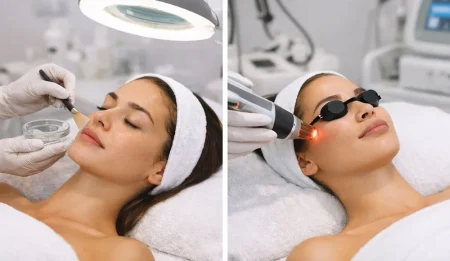
Pigmentation occurs when the skin produces excess melanin, the natural pigment that gives skin its colour. While pigmentation is common, it develops for different reasons and at different depths in the skin, which is why some treatments may fail if the type and cause aren’t correctly identified. To understand why pigmentation treatments fail, it’s essential first to understand the different types of pigmentation and their causes. Each type behaves differently in the skin and requires a specific treatment approach. When pigmentation is treated without correctly identifying its type and depth, results are often limited or short-lived.
Below are the most common types of pigmentation seen in Melbourne clinics:
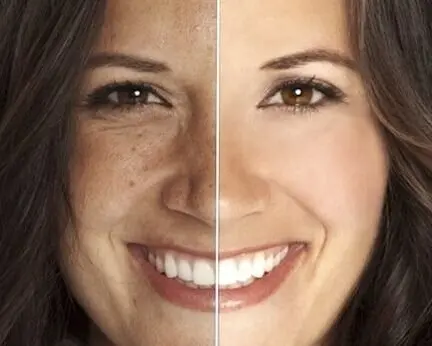
Sun Spots (Solar Lentigines)
Sunspots, or solar lentigines, are flat, brown or tan patches caused by cumulative UV exposure, ageing, and genetics. They result from melanocytes in the epidermis producing excess melanin in response to chronic sun exposure.
Treatment insights: In my experience, solar lentigines that develop with ageing are often deeper and more persistent, making them more challenging to treat than sunspots caused by short-term sun exposure. They usually require more time and multiple treatment sessions to see noticeable improvements. Superficial sunspots, on the other hand, respond well to laser skin rejuvenation, chemical peels, and strict sun protection. Remember, without consistent UV protection, all sunspots can recur.
Melasma
Melasma appears as brown or grey-brown patches, usually on the cheeks, forehead, and upper lip. It develops due to overactive melanocytes in both the epidermis and dermis, triggered by hormonal changes, sun exposure, visible light, heat, and genetics.
Treatment insights: In clinical practice, controlled, progressive treatments like chemical peels and skin needling provide the best outcomes for melasma. These methods encourage controlled skin renewal without causing trauma, which is crucial because over-aggressive treatments or skin injury can overstimulate melanocytes and worsen pigmentation. Effective management requires a layered, cautious approach, combining professional treatments with strict sun and heat protection and barrier-supportive skincare to maintain results.
Post-Inflammatory Hyperpigmentation (PIH)
PIH occurs after inflammation or injury, such as acne, eczema, rashes, or cosmetic treatments. It involves excess melanin deposition in the epidermis or dermis, sometimes combined with subtle scarring. Hormonal factors and skin type can increase susceptibility.
Treatment insights: In my clinical experience, combination therapy provides the best outcomes for PIH. Depending on the client’s skin type and condition, treatments may include a carefully tailored mix of chemical peels, laser therapy, and radiofrequency skin needling. This approach helps fade pigmentation while improving skin texture, addressing both discolouration and scarring. Supporting the skin with soothing, barrier-repairing skincare is essential to prevent further melanocyte stimulation and maintain long-term results.
Trauma-Induced Pigmentation (After Surgery, Cuts, or Burns)
This type of pigmentation develops after physical injury to the skin, including surgery, cuts, burns, or aggressive cosmetic procedures. Healing triggers melanocytes to overproduce melanin, resulting in deep, localised pigmentation. Severity depends on the depth of injury and inflammation.
Treatment insights: I treat this type of pigmentation similarly to scarring, as it often involves deeper skin layers and requires a more intensive and longer treatment program. A carefully planned course combining chemical peels and radiofrequency skin needling can deliver excellent results, helping to fade pigmentation and improve texture over time. Supporting the skin with barrier-repairing and soothing skincare throughout the program is essential for long-term success.
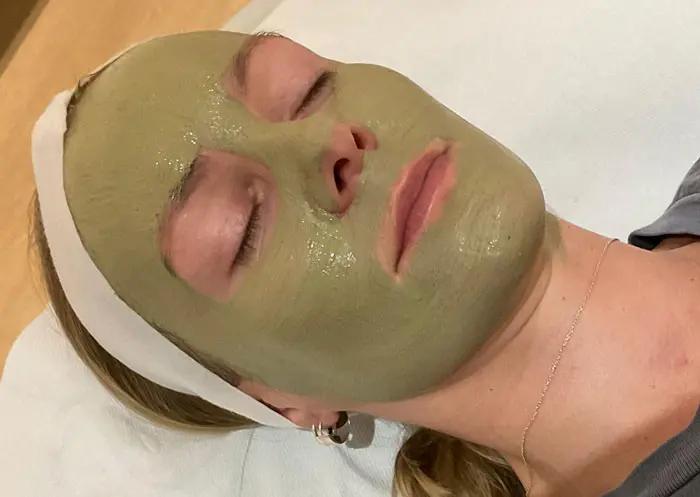
Understanding the Causes of Pigmentation Treatment Failure and How Personalised Care Can Improve Your Results
Even professional treatments can be ineffective if the cause, depth, or trigger of the pigmentation is not correctly identified. Common reasons for limited results include:
1. Misdiagnosis Can Lead to Ineffective or Harmful Treatments
An incorrect diagnosis is one of the most common reasons pigmentation treatments fail. If the pigment type and underlying cause aren’t properly assessed, the chosen treatment may not only fail to improve pigmentation but can actually make it worse. For example, using Intense Pulsed Light (IPL) on melasma can trigger heat-related flare-ups and intensify pigmentation. A comprehensive skin assessment is essential to accurately identify the pigment type, depth, and contributing factors before recommending treatment.
2. Choosing the Wrong Treatment or Settings Can Backfire
Even with the correct diagnosis, selecting the wrong technology, treatment type, or settings can limit results or worsen pigmentation, leading to post-inflammatory hyperpigmentation (PIH), scarring, or uneven tone. This is where the therapist’s knowledge and experience are critical. A skilled clinician considers the client’s skin type, condition, and the depth and type of pigmentation to choose the appropriate modality, intensity, and treatment protocol for safe and effective results.
3. Poor Sun Protection Can Reverse Treatment Progress
Sun exposure is the biggest trigger for pigmentation, and inadequate protection can undo weeks or months of treatment. UV and visible light stimulate melanin production, making pigmentation return or worsen. Using a broad-spectrum sunscreen (SPF 50+), reapplying throughout the day, and adopting sun-safe habits—like wearing hats and avoiding peak sun hours—are essential to maintain results. Treat your skin like you value your results: consistent sun protection is critical.
4. Ignoring Lifestyle Triggers Can Hinder Results
Heat, hormones, and certain medications can also stimulate pigmentation. For example, melasma is sensitive not only to the sun but also to heat from hot showers, saunas, cooking, or heat-generating cosmetic devices. Hormonal fluctuations and lifestyle factors can further affect outcomes. Managing these triggers is essential to support treatment and prevent flare-ups.
5. Inconsistent Treatment or Skipping Aftercare Reduces Effectiveness
Pigmentation management requires time, consistency, and adherence to aftercare instructions. Skipping scheduled treatments, neglecting prescribed topical agents (e.g., vitamin C, vitamin A, or pigment-inhibiting products), or failing to maintain a supportive skincare routine can allow pigmentation to return or worsen. Following a structured, personalised treatment plan is key to long-term success.
Key Takeaways
Understanding the type of pigmentation and its underlying cause is essential for successful treatment. Achieving clear, even-toned skin requires a personalised, evidence-based approach that targets the pigment at the correct depth while also considering the client’s skin type and condition.
Success also depends on:
- Accurate diagnosis of pigment type and depth
- Choosing the right treatment modality and settings
- Consistent sun protection and management of lifestyle triggers
- Following a structured treatment plan and aftercare routine
Remember, consistency is the key—regular treatments, proper aftercare, and lifestyle management all play a crucial role in maintaining long-term results.
Personalised Pigmentation Treatments at Medix Skincare & Laser Clinic
At Medix Clinic, we believe in honesty and realistic expectations. Your skin’s health and integrity are always our priority, which is why we avoid aggressive, quick-fix treatments. For deeper epidermal or dermal pigmentation, achieving long-lasting, visible results requires a gradual, carefully tailored, evidence-based approach designed specifically for your skin.
While cosmetic treatments can deliver excellent results, all procedures carry some degree of risk, and outcomes may vary from person to person. Clinical experience is essential in understanding how different skin types, conditions, and pigmentation respond, allowing your therapist to recommend the safest and most effective treatment plan tailored to you.
If you’d like to explore the right approach for your skin, book your personalised consultation and take the first step toward clearer, even-toned, and healthy-looking skin.
Contact Medix Clinic
03 9686 0003.
You can also visit our clinic at 1/367A Centre Road, Bentleigh, Victoria 3204.
View on Google Maps.
Disclaimer
Results may vary between clients. The information provided here is for educational purposes only and is not a substitute for personalised advice from a qualified skin professional. Always consult a professional before starting any treatment or changing your skincare routine.