A Guide to Reducing the Risk of Scarring
Acne breakouts are common, but the way your skin heals after a breakout can determine whether temporary marks develop into long-term acne scars. Understanding how inflammation affects the skin and taking early steps can help reduce the risk of scarring and support a healthier complexion.
Why preventing acne scars matters
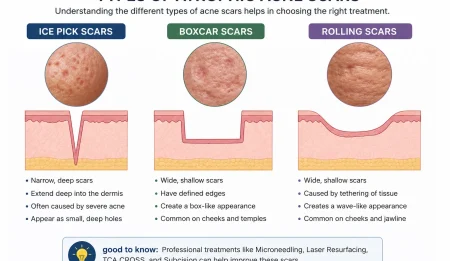
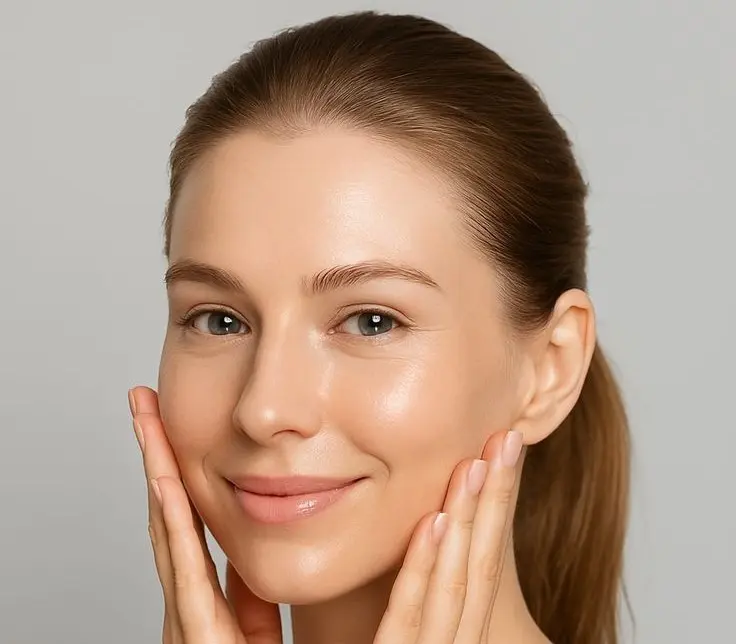
Preventing acne scars is about more than just how your skin looks. It is also about feeling comfortable in your skin and supporting its long-term health. When acne inflammation is left untreated or continues for too long, it can affect the way your skin repairs itself. Deeper breakouts can also leave behind changes in skin texture. By understanding how acne impacts your skin and taking early steps, you can help reduce the risk of lasting scars and support a smoother, healthier-looking complexion.
What causes acne scars?
Inflammation and delayed healing
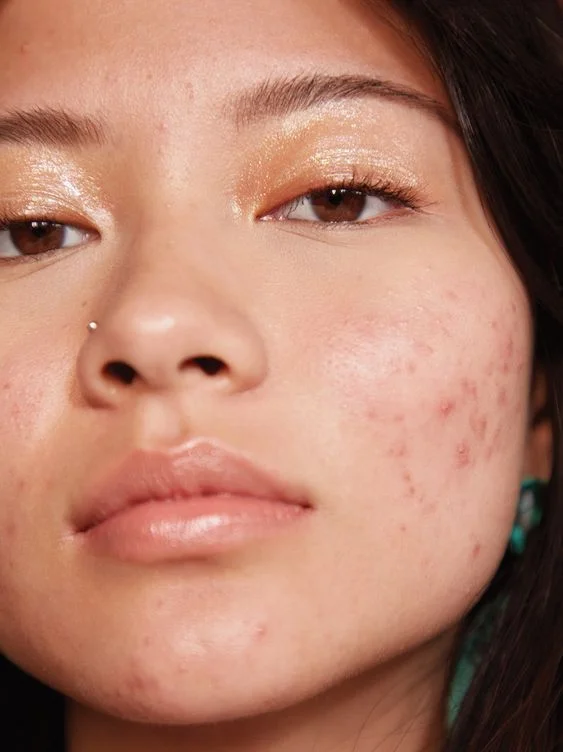
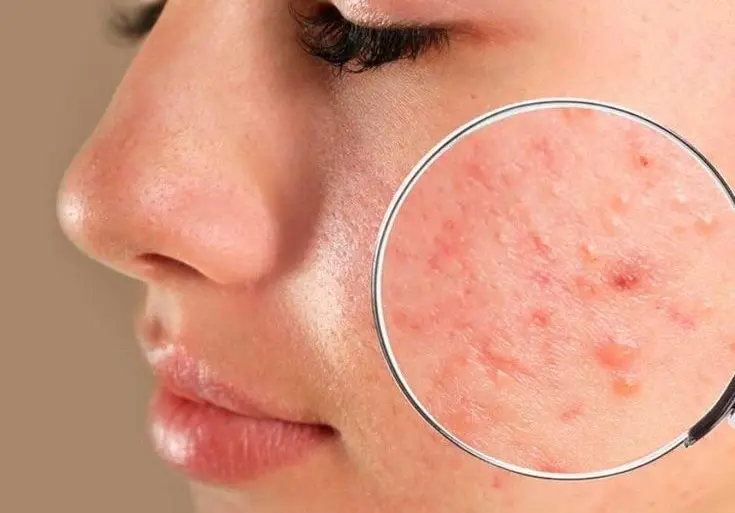
When acne develops, the skin’s natural response is to trigger inflammation to help protect and repair the affected area. This is why breakouts can become red, swollen, tender, or painful. However, when inflammation is intense or continues for a longer period, it can interfere with the skin’s normal healing process.
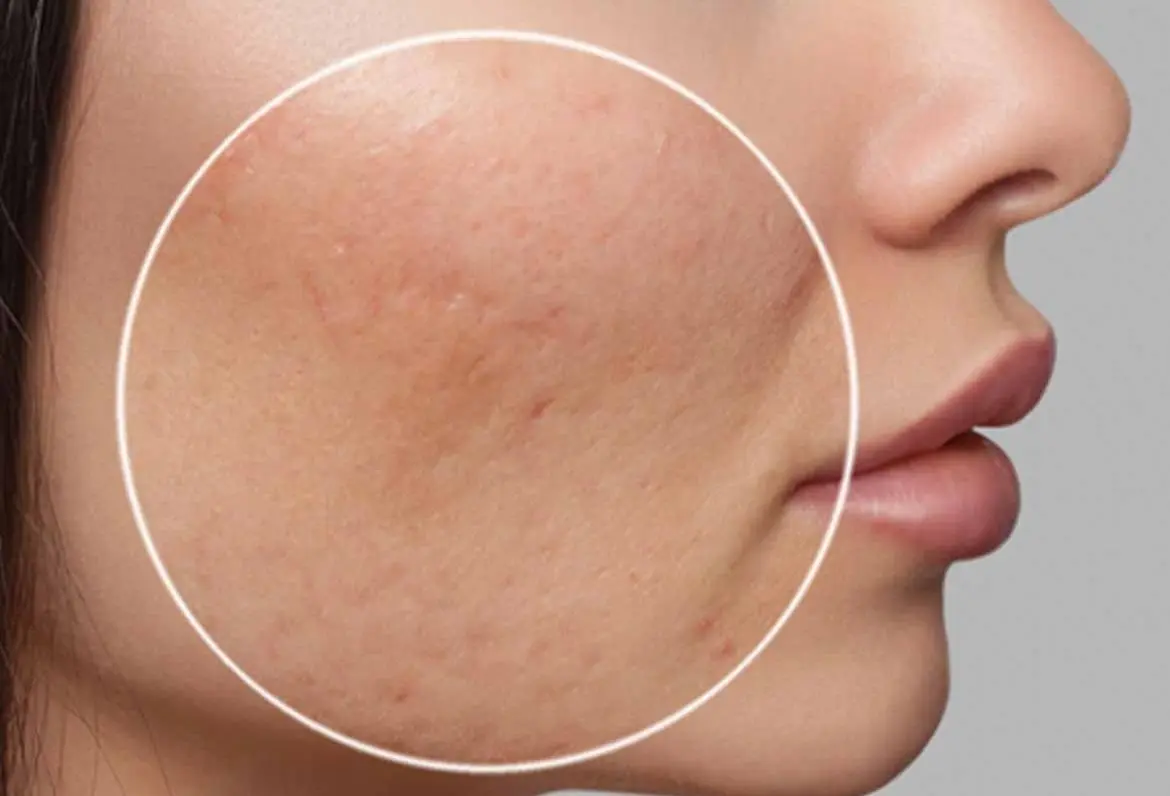
Ongoing inflammation can damage surrounding skin structures, including collagen and elastin fibres, which play an important role in maintaining skin strength and smooth texture. As a result, deeper or prolonged breakouts have a higher chance of leaving behind lasting marks or changes in skin texture.
Addressing acne early and supporting the skin with appropriate treatment can help calm inflammation, promote healthier healing, and reduce the risk of long-term acne scarring.
Picking or squeezing pimples
It can be tempting to touch, squeeze, or pick at a breakout, especially when it feels swollen or noticeable. However, disturbing active acne can increase inflammation, delay the healing process, and create more trauma within the skin.
When the skin barrier is disrupted, the chance of prolonged redness, pigmentation, and textural changes may increase. Allowing breakouts to heal naturally and using the right treatment approach can help support a smoother recovery and reduce the risk of acne scarring.
Genetic factors and acne scarring
Some people are more prone to developing acne scars due to their individual skin characteristics and how their skin responds to inflammation and healing. While genetics can influence the way your skin repairs itself, early care, consistent treatment, and a supportive skincare routine can help improve healing outcomes and reduce the risk of long-lasting marks.
Daily habits to help prevent acne scars
Gentle homecare routine
Harsh scrubbing and strong active products can increase irritation and inflammation, making it harder for the skin to heal. Instead, focus on a gentle routine with a mild cleanser, soothing serums, and non-comedogenic moisturisers to support a healthy skin barrier.
Ingredients such as niacinamide and azelaic acid can help support acne-prone skin by calming redness, reducing inflammation, and improving the appearance of post-acne marks.
If you choose to wear makeup, opt for products that are suitable for acne-prone skin. Mineral-based and non-comedogenic formulas can be a gentle option, especially for sensitive or breakout-prone skin.
Consistency is key — a simple, supportive routine often helps your skin recover better than constantly changing products or using harsh treatments.
Daily sun protection to help prevent acne marks
After a breakout heals, the skin can remain prone to redness and pigmentation. UV exposure can darken post-acne marks and make them take longer to fade.
Applying a broad-spectrum SPF every morning helps protect your skin, support healing, and maintain a more even-looking complexion. Consistent sun protection is especially important when using active skincare ingredients or undergoing acne treatments.
Professional treatments to help prevent acne scars
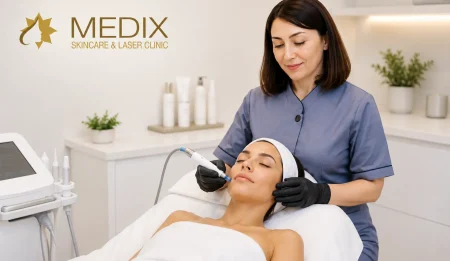
When daily skincare is not enough, professional treatments can provide additional support by helping calm inflammation, improve skin texture, and encourage healthy collagen production. At Medix Skincare & Laser Clinic, treatments are personalised based on your skin concerns, goals, and how your skin responds, ensuring a tailored approach to acne management and scar prevention.
Radiofrequency skin needling to improve acne scarring
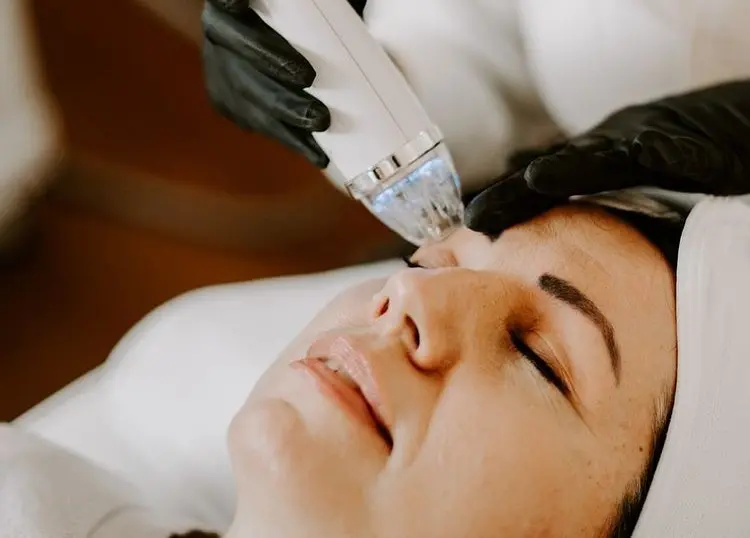
Radiofrequency skin needling stimulates collagen production and strengthens the deeper layers of the skin. As the skin repairs itself, uneven texture softens, and early acne marks become less noticeable.
Laser skin rejuvenation to improve post-acne marks
Laser skin rejuvenation uses controlled light energy to target areas of concern and support the skin’s natural repair process. Over time, this can help improve uneven texture, stimulate collagen production, and reduce the appearance of acne-related scarring and pigmentation.
Chemical peels for acne and post-acne marks
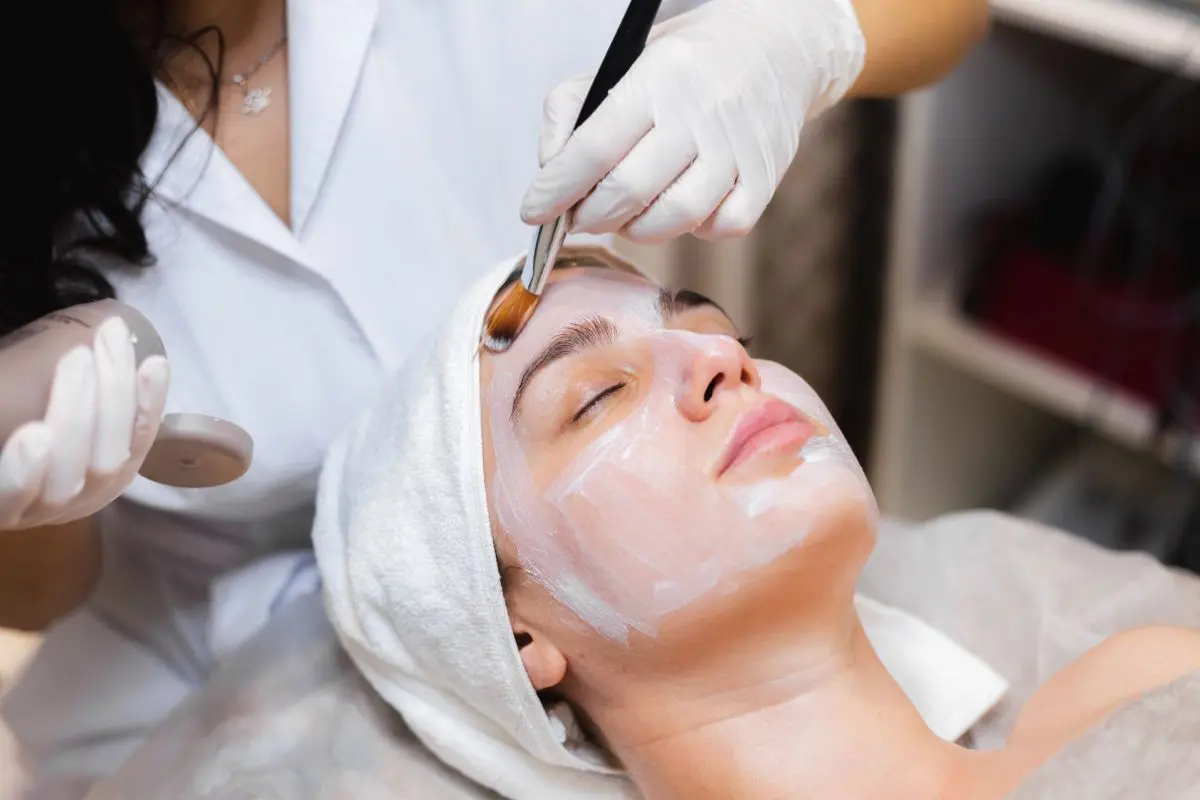
Chemical peels can help acne-prone skin by supporting cell renewal, improving congestion, and refining uneven texture. They can also help reduce the appearance of post-acne marks and improve overall skin tone. The right peel choice depends on your skin condition, sensitivity, and goals.
HydraFacial to support acne-prone skin
HydraFacial can help improve acne-prone skin by deeply cleansing pores, removing impurities, and supporting hydration without over-stripping the skin. By improving skin balance and supporting a healthy skin barrier, it can help create an environment for clearer, healthier-looking skin.
How Medix supports your skin with personalised acne care
At Medix Skincare & Laser Clinic, we understand that every person’s skin and acne journey is different. Your treatment begins with a personalised skin assessment to understand your concerns, triggers, lifestyle, and goals. We then create a tailored approach to help calm inflammation, support skin health, and improve the appearance of acne-related concerns while reducing the risk of long-term scarring.
Looking for personalised acne support?
Whether you are managing active breakouts, post-acne marks, or acne scarring, our dermal clinician can assess your skin and recommend a personalised approach to help you achieve healthier-looking skin.
Book your consultation with Medix Skincare & Laser Clinic today.
Contact Medix Clinic
For more information, contact us at 03 9686 0003.
You can also visit our clinic at 1/367A Centre Road, Bentleigh, Victoria 3204.
Click here to view our location on Google Maps.