Have you tried laser hair removal before, only to find that your unwanted hair kept growing back?
Perhaps you completed several sessions but noticed very little difference. Or maybe your skin felt smooth for a few months before the hair gradually returned.
If laser hair removal didn’t work for you, the reason may be related to the laser technology, treatment settings, hair growth cycles, hormonal changes or even how you prepared for your appointments.
The good news is that disappointing results don’t always mean laser hair removal can’t work for you.
With the right assessment and a personalised treatment plan, it may be possible to achieve better, longer-lasting hair reduction.
At Medix Skincare & Laser Clinic in Bentleigh, Melbourne, we believe understanding why previous treatments haven’t delivered the results you expected is the first step towards finding a more suitable approach.
Let’s explore seven common reasons laser hair removal may not work as expected, what normal regrowth looks like and what you can do differently.
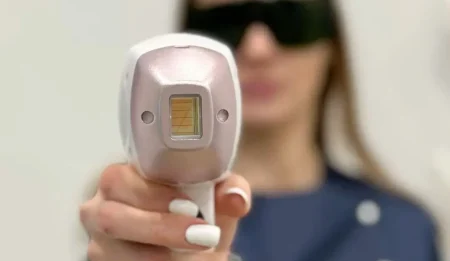
[Image: Professional laser hair removal treatment at Medix Skincare & Laser Clinic]
How Does Laser Hair Removal Work?
Laser hair removal uses concentrated light energy to target melanin, the natural pigment found in hair.
When the pigment absorbs the laser energy, it converts into heat, which can damage the structures responsible for hair growth.
Over a series of treatments, this process helps reduce hair density and slows regrowth. Any remaining hair may also become finer and less noticeable. However, not every hair follicle responds equally.
Hair grows in different stages, and laser treatment is generally most effective during the active growth phase, known as the anagen phase. Because not all hairs are in this phase at the same time, multiple sessions are needed to achieve optimal results.
It’s also important to understand that laser hair removal provides long-term hair reduction rather than guaranteed permanent removal of all hair.
Some regrowth is normal, and occasional maintenance treatments may be needed.
7 Common Reasons Laser Hair Removal May Not Work
1. The Laser Technology Wasn’t Suitable for Your Skin or Hair Type
Not all laser hair removal machines work in the same way.
Different laser technologies use different wavelengths, which affect how effectively the energy targets hair pigment while protecting the surrounding skin.
Common professional laser and light-based hair removal technologies include:
- Alexandrite Laser (755 nm): Often effective for dark, coarse hair on lighter skin tones, offering efficient hair reduction.
- Diode Laser (commonly 800–810 nm): Suitable for a range of skin types, depending on the device and settings, and commonly used for effective, long-term hair reduction.
- Nd:YAG Laser (1064 nm): Often preferred for darker skin tones because its longer wavelength is absorbed less strongly by pigment in the skin’s surface, allowing safer treatment when appropriately performed.
- Intense Pulsed Light (IPL/VPL): Uses broad-spectrum light rather than a single laser wavelength to target pigment within the hair. IPL can provide effective hair reduction, particularly for darker hair on lighter skin tones, although results depend on the device, settings and individual skin characteristics.
Choosing the right technology is important for both treatment effectiveness and skin safety.
For example, a laser that works well on lighter skin with dark hair may not be the most suitable option for someone with a deeper skin tone.
What can help?
- Before starting another treatment course, ask your clinician which laser technology will be used and why it’s appropriate for your skin tone, hair colour and hair thickness.
- A personalised assessment can help identify the most suitable approach.
2. The Treatment Settings Weren’t Optimised
Laser hair removal requires carefully selected energy levels to effectively target the hair follicle.
If the energy delivered is too low, the follicle may not receive enough heat for meaningful long-term hair reduction.
This can sometimes lead to temporary shedding without the lasting improvement you expected.
However, higher energy isn’t always better. Treatment settings must be adjusted according to your skin tone, hair thickness, treatment area and individual response.
Successful laser hair removal involves finding the right balance between effective follicle targeting and skin safety.
What can help?
- If you’ve completed several sessions with little improvement, it may be worth reviewing your previous treatment settings and response.
- An experienced clinician can assess whether adjustments to the technology, settings or treatment plan may help improve your results.
3. Your Treatment Sessions Weren’t Timed Appropriately
Hair grows in cycles, and laser hair removal is most effective when follicles are in a responsive stage of growth.
This is why the timing of your appointments matters.
If treatments are scheduled too close together, you may not allow enough time for additional hairs to enter a responsive growth phase.
On the other hand, repeatedly missing appointments or leaving long gaps can delay your progress and extend the overall treatment course.
Different areas of the body also have different hair growth patterns. For example, facial hair may require a different treatment schedule from leg or back hair.
What can help?
- Follow the treatment intervals recommended for your specific area and hair growth pattern.
- Your clinician should monitor your progress and adjust the schedule when needed, rather than following the same timetable for everyone.
4. Hormonal Changes Are Encouraging New Hair Growth
Hormones play an important role in hair growth, particularly around the face, chin, neck and abdomen.
Conditions such as polycystic ovary syndrome (PCOS), as well as hormonal changes associated with menopause or other endocrine conditions, can contribute to persistent or newly developing hair growth.
This means that even when laser treatment successfully reduces existing hair, hormonal influences may encourage additional hair growth over time.
In these situations, regrowth doesn’t necessarily mean the original treatment was unsuccessful.
What can help?
- If you’re experiencing persistent facial hair, unexpected changes in hair growth or significant regrowth after treatment, discuss this with your clinician.
- A medical assessment may help identify any underlying hormonal factors.
- Laser hair removal can still provide meaningful results for people with hormonally influenced hair growth, although additional sessions or ongoing maintenance may be needed.
5. Your Hair Was Too Fine or Light for Effective Treatment
Laser hair removal works by targeting pigment within the hair.
This means dark, coarse hair generally responds better than very fine or lightly coloured hair.
Blonde, grey, white and many red hairs contain insufficient suitable pigment for conventional hair removal lasers to target effectively.
Fine facial hair can also be challenging, even when it appears relatively dark.
Sometimes, after several successful treatments, the remaining hair becomes finer and lighter. At this stage, additional laser sessions may produce less noticeable improvement.
What can help?
- Ask your clinician to assess whether your remaining hair is still suitable for laser treatment.
- If your hair is very fine or light, another method, such as professional electrolysis, may be more appropriate.
- Choosing the right treatment for your hair characteristics is more valuable than continuing sessions that are unlikely to provide further improvement.
6. You Didn’t Complete Enough Sessions
One of the most common reasons people feel laser hair removal hasn’t worked is that they haven’t completed an appropriate treatment course.
Although you may notice some reduction after the first few appointments, the full results generally develop gradually.
Because hair follicles grow in different cycles, each session targets a different proportion of responsive hairs.
The number of treatments needed varies depending on your hair density, treatment area, skin tone, hormonal influences and individual response.
What can help?
- Before deciding that laser hair removal hasn’t worked, consider how many sessions you’ve completed and whether you’ve noticed changes in hair thickness, density or regrowth speed.
- Successful treatment doesn’t always mean every hair disappears immediately.
- A professional treatment plan should include regular progress assessments and realistic expectations about the number of sessions required.

7. Waxing, Plucking or Threading Between Laser Sessions
What you do between laser hair removal sessions can affect your results.
Laser hair removal works by targeting pigment in the hair within the follicle.
When you wax, pluck or thread, you remove the hair from the root, leaving less pigmented hair available for the laser to target effectively.
As a result, your next laser session may be less effective, even when the correct technology and treatment settings are used.
What can help?
- Avoid waxing, plucking, threading or using an epilator between laser treatments.
- Instead, shave the treatment area as recommended by your clinician.
- Shaving removes hair from the skin’s surface while leaving the hair within the follicle available for laser treatment.
- Following the correct preparation instructions helps each session work as effectively as possible.
Is It Normal for Hair to Grow Back After Laser Hair Removal?
Yes. Some hair regrowth after laser hair removal is normal and doesn’t automatically mean the treatment has failed.
Understanding what happens after treatment can help you recognise whether you’re making progress.
| What You’re Noticing | What It May Mean | What to Do |
|---|---|---|
| Hair appears to grow or shed during the first few weeks | Treated hairs may be working their way out of the follicles. | Allow time for shedding and follow your clinician’s aftercare advice. |
| Hair gradually returns, but it’s finer or less dense. | The treatment may have achieved meaningful hair reduction. | Review your progress and discuss whether maintenance is needed. |
| Hair remains thick and dense after several sessions. | The treatment approach, hair characteristics or hormonal factors may need reassessment. | Arrange a professional review before continuing the same treatment plan. |
What If Hair Growth Actually Increases After Laser Treatment?
In uncommon cases, laser or light-based hair removal can be associated with increased hair growth in or around the treated area.
This is known as paradoxical hypertrichosis and has been reported more frequently around the face and neck.
It’s different from ordinary regrowth and deserves a professional assessment.
If you notice new, thicker hair developing after treatment, speak with an appropriately qualified clinician before booking further sessions.
How to Improve Your Laser Hair Removal Results
If you’ve experienced disappointing results in the past, the next step isn’t necessarily to start another full treatment course immediately.
A professional assessment can help identify what may have affected your previous results and whether a different approach could be more effective.
1-Start With a Personalised Skin and Hair Assessment
Your clinician should assess your skin tone, hair colour, hair thickness, treatment area and previous laser hair removal history.
It’s also helpful to discuss how many sessions you’ve completed, the results you noticed and whether hormonal factors may be influencing regrowth.
2-Choose Suitable Laser Technology and Settings
The appropriate laser and treatment settings should be selected according to your individual skin and hair characteristics.
A personalised approach helps ensure effective follicle targeting while prioritising the health and comfort of your skin.
3-Follow a Consistent Treatment Plan
Laser hair removal works best as a planned treatment course rather than a series of unrelated appointments.
Your clinician should explain the recommended treatment intervals, expected progress and when your results will be reviewed.
4-Have Realistic Expectations
Successful laser hair removal doesn’t always mean completely hair-free skin.
For many people, success means noticeably less hair, slower regrowth, finer remaining hairs and less time spent shaving.
These improvements can make a meaningful difference to everyday comfort and convenience.
Personalised Laser Hair Removal at Medix Skincare & Laser Clinic
If you’ve tried laser hair removal before without achieving the results you hoped for, it may be worth taking another look at your treatment options.
At Medix Skincare & Laser Clinic in Bentleigh, Melbourne, we understand that every person’s skin, hair growth pattern and previous treatment experience is different.
Rather than simply recommending more sessions, we take the time to assess your skin and hair characteristics, discuss your previous treatments and explore what may have affected your results.
Our approach focuses on personalised planning, appropriate treatment settings and ongoing assessment to help you make informed decisions and work towards realistic, long-lasting hair reduction.
Whether you’re considering laser hair removal for the first time or hoping to improve on a previous experience, we’re here to help you find an approach that suits your individual needs.
Learn more about our laser hair removal treatments and explore our guide to unwanted hair and available treatment options.
Book a personalised consultation at Medix Skincare & Laser Clinic in Bentleigh, Melbourne, and let’s work together to find the right approach for your skin, hair and long-term goals.
Frequently Asked Questions
Why Is My Hair Still Growing After Six Laser Sessions?
Six sessions may provide significant hair reduction for some people, while others require additional treatments.
Hair thickness, treatment area, hormonal influences, laser technology and individual response can all affect the outcome.
If you’ve noticed very little improvement after several sessions, it’s worth reviewing your treatment plan rather than simply continuing without changes.
Can Laser Hair Removal Work After Previous Failed Treatments?
Yes, in some cases. If your previous results were affected by unsuitable laser technology, treatment settings or scheduling, a different approach may help improve the outcome. However, if your hair is too fine or light for laser treatment, changing clinics or devices may not overcome that limitation.
Why Does Facial Hair Keep Coming Back After Laser?
Facial hair can be strongly influenced by hormones. Even after successful reduction, hormonal changes may encourage new hair growth over time. A personalised maintenance plan or medical assessment may be helpful, depending on your circumstances.
Is Laser Hair Removal Permanent?
Laser hair removal can provide long-term hair reduction, and many people remain satisfied with their results for months or years. However, some hair may regrow, and maintenance treatments can be needed. It shouldn’t be presented as a guarantee that every hair follicle will be permanently eliminated.
Can Laser Hair Removal Work on Dark Skin?
Yes. Laser hair removal can be suitable for darker skin tones when appropriate technology and treatment settings are used. Long-pulsed Nd:YAG lasers are commonly used for deeper skin tones. The experience of the treating clinician and a professional skin assessment are particularly important.
What If Laser Hair Removal Doesn’t Work on My Hair Colour?
Very light blonde, grey, white and many red hairs generally respond poorly to conventional laser hair removal. Professional electrolysis may be an alternative worth considering, particularly for small areas or individual remaining hairs.
Prepared by Elham Ghaedi | Dermal Clinician
Medix Skincare & Laser Clinic, Bentleigh, Melbourne.
Elham Ghaedi is a dermal clinician at Medix Skincare & Laser Clinic. Her approach focuses on personalised skin assessment, evidence-informed treatments and helping clients understand their skin concerns and suitable treatment options.
Scientific References and Further Reading
- American Academy of Dermatology — Laser Hair Removal: FAQs
- American Academy of Dermatology — 6 Ways to Remove Unwanted Hair
- Laser Hair Removal — StatPearls, NCBI Bookshelf
- Snast I, et al. Paradoxical Hypertrichosis Associated with Laser and Light Therapy for Hair Removal: A Systematic Review and Meta-analysis. American Journal of Clinical Dermatology. 2021.
Medical Disclaimer
This article is intended for general educational purposes only and does not replace personalised medical advice, diagnosis or treatment. Laser hair removal results vary depending on skin tone, hair characteristics, hormonal influences, treatment technology and individual response.
Laser treatment may cause temporary redness, swelling or sensitivity and, less commonly, burns, pigmentation changes or scarring. A professional assessment is important before starting treatment, particularly if you have a history of skin sensitivity, pigmentation changes or relevant medical conditions. Long-term hair reduction is possible, but complete permanent hair removal cannot be guaranteed.